
Story & Lore
The story and themes of Say Cheese!: the journalist premise, the Big Media framing, the media-satire angle, and the influence the developer names in public.
Introduction
Say Cheese! is a small game with a large idea, and the story material available is unusually clean because the developer states the premise directly. You are a journalist working for an outlet the official page calls Big Media, you are sent to a park, and your task is to put the news in front of everyone and keep their attention on the screen. The page then turns that into a question: will you tear a peaceful society apart, or try to change fate and bring hope instead. It also credits Nicky Case's We Become What We Behold as the inspiration. That credit is the most useful piece of context on the page and the most dangerous, because it invites readers to assume this game contains the same scenes, characters and outcomes as its inspiration. It does not follow, and this section keeps the two strictly apart while explaining why the theme still lands.
Story Elements and Their Sources
| Element | What the official page states | Where it comes from |
|---|---|---|
| Your role | A journalist hired by an outlet called Big Media | Official description |
| Setting | A park, never named or mapped | Official description |
| Mechanism of harm | News pushed in front of a crowd that watches the screen | Official description |
| Moral framing | A choice between destruction and hope | Official description |
| Stated inspiration | We Become What We Behold by Nicky Case | Official description |
| Named characters | None published | Absence confirmed on the official page |
Theme Breakdown
The Journalist
Why the player's role is the strongest piece of story information the game gives away.
The Screen
The screen is the engine of the satire, and the official page describes it in almost mechanical terms.
The Named Influence
What the public credit to Nicky Case's work does and does not license you to assume.
The Crowd
Why the crowd matters more than any individual in a story that never names a character.
The Red Banner
The one saturated colour in the official screenshots and what it does for the tone.
What the Page Refuses to Say
The deliberate gaps in the official text and how to treat them without filling them in.
Core Mechanics
The story works through one mechanism, and the official description is precise about it: attention. Coverage is not presented as a neutral record of events but as the thing that moves a crowd, which is why the page can describe the same act as either destruction or hope depending on what the player chooses to amplify. That is also why the game reads as satire rather than as a puzzle. Nothing in the description suggests a system of moral scoring, reputation tracking or faction alignment; the choice is presented as an authorial question rather than as a meter. Reading the story this way explains the visual language too. Official screenshots use pale backgrounds, heavy black outlines and red news banners, a combination that looks like a sketch of a broadcast rather than a rendered world, which keeps the focus on the message instead of the scenery. The minimalist look is doing narrative work, not just saving production time.
Advantages
The advantage of a story this lean is that it can be discussed without speculation. Almost every claim on this page can be anchored to one sentence of the official description, so a reader can check the entire argument in a minute. That makes the thematic reading unusually stable: the media-amplification idea is stated by the creator, not inferred by fans, and the stated inspiration is named in public rather than discovered by comparison. A second advantage is accessibility. Because the game does not require knowledge of a franchise, a long-running series or a wiki, its theme lands for a player who has never touched the inspiration. That is also why the comparison to We Become What We Behold is worth making carefully: the shared subject is broad enough that a newcomer can appreciate this game first and the older work second, in whichever order they prefer.
Challenges
The weakness is that a lean story leaves a lot of room for confident overreading. When the creator publishes five sentences, every additional sentence a fan writes is interpretation, and interpretation accumulates into a fanon that later readers mistake for canon. This page tries to resist that by keeping the stated facts and the reading separate, but the temptation is real and readers should hold us to it. A second limitation is that the satire depends on a point of view, and players who disagree with that point of view will read the same scenes as heavy-handed rather than sharp. That is a legitimate reaction, not a misunderstanding. Third, the inspiration credit invites a comparison that this game cannot fully win: a short browser game with a single mechanic and a Roblox story experience are different objects, and measuring one by the other's standards tells you little about either.
Frequently Asked Questions
What is Say Cheese! actually about?+
Is the game based on We Become What We Behold?+
Why does the game look so plain?+
Quick Tips
Quote the official description when you discuss the theme, and quote it exactly. The whole premise fits in a couple of sentences, and paraphrasing it is where most arguments start, because a paraphrase quietly adds details about characters or events that the page never mentions. A quoted sentence cannot be argued with; an invented one can.
Separate the inspiration from the content every time you compare the two works. The developer names We Become What We Behold as a starting idea, which is a statement about theme, not a description of scenes. Comparisons about what the game is arguing are fair and interesting; comparisons that assume a specific event must happen because it happened in the older game are inventions.
Notice what the game refuses to give you. There are no named residents, no identified editor and no map of the park, and that absence is consistent across the official page rather than an oversight in one sentence. Reading the story as deliberately anonymous is a defensible interpretation, and it fits a satire where the crowd matters more than any individual.
Featured
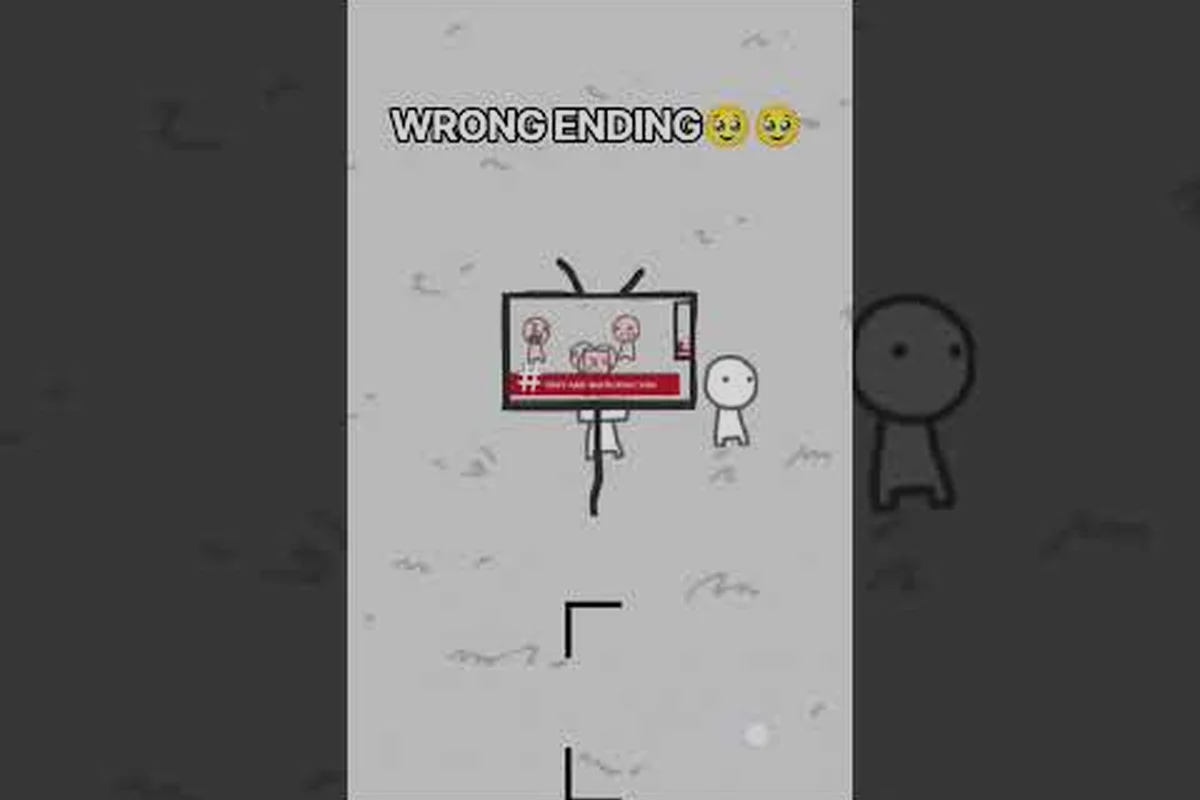
Say Cheese! Roblox Big Media and the Unnamed Employer
Examine Say Cheese Roblox Big Media as a satirical device, and see why an employer with no face does more work than a named cast.
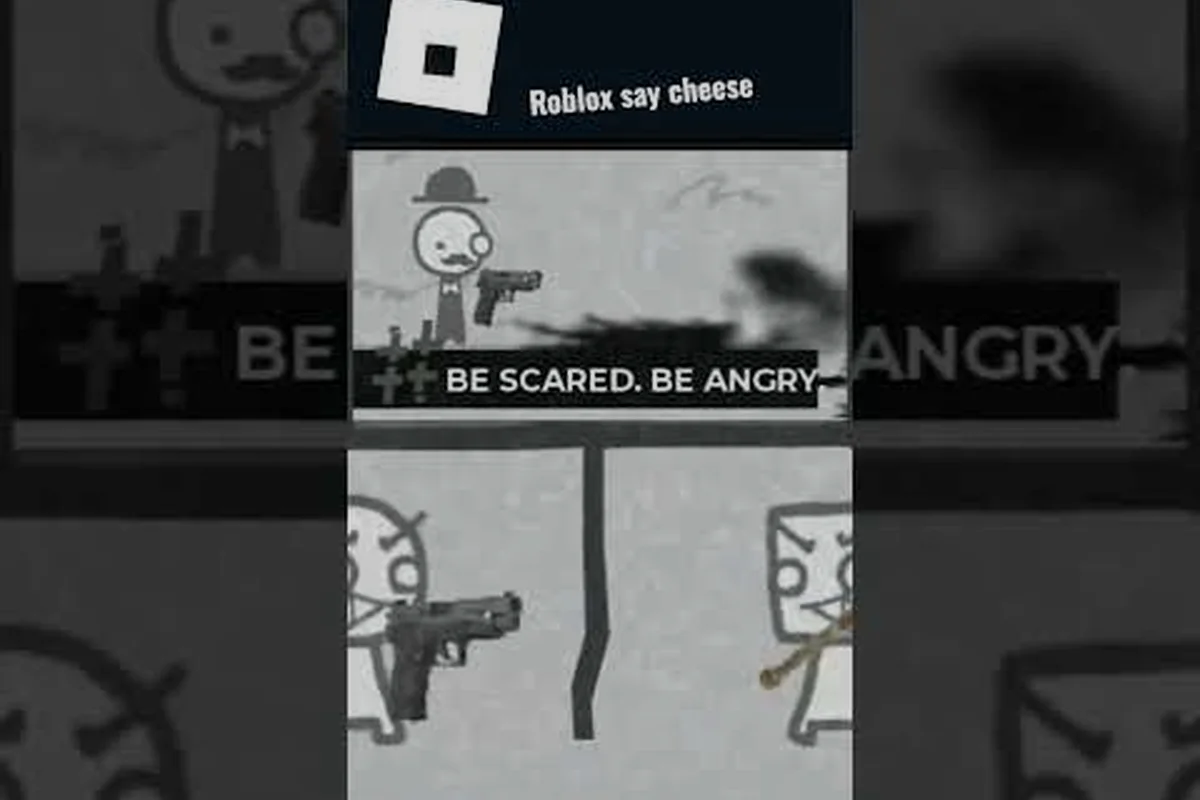
Say Cheese! Roblox Inspiration: Behold, Not a Port
Compare Say Cheese Roblox inspiration with the work it cites at theme level only, and see why an homage is never a port.
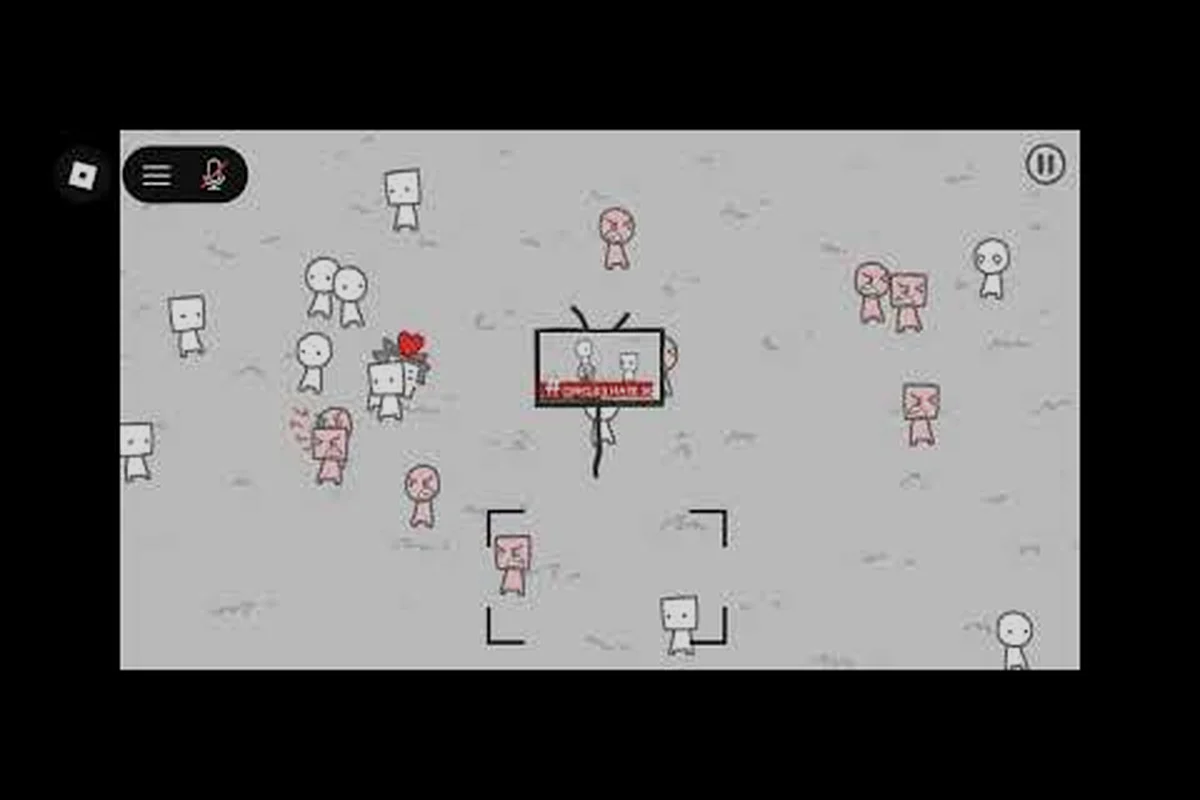
Say Cheese! Roblox Media Criticism, Argued by Design
Read Say Cheese Roblox media criticism as an argument carried by play, and learn where the satire ends and the mechanics begin.
All Articles
Say Cheese! Roblox Minimalist Art and Why It Works
See how Say Cheese Roblox minimalist art uses grey paper, black line and one red news bar to make the satire land harder.
Say Cheese! Roblox Narrator: Reading the Voice
Study the Say Cheese Roblox narrator through the description's own voice, second-person address, and commanding tone without inventing characters.
Say Cheese! Roblox Story: The Official Framing
Follow the Say Cheese Roblox story as the official page frames it, and learn to discuss its choices without spoiling or embellishing.
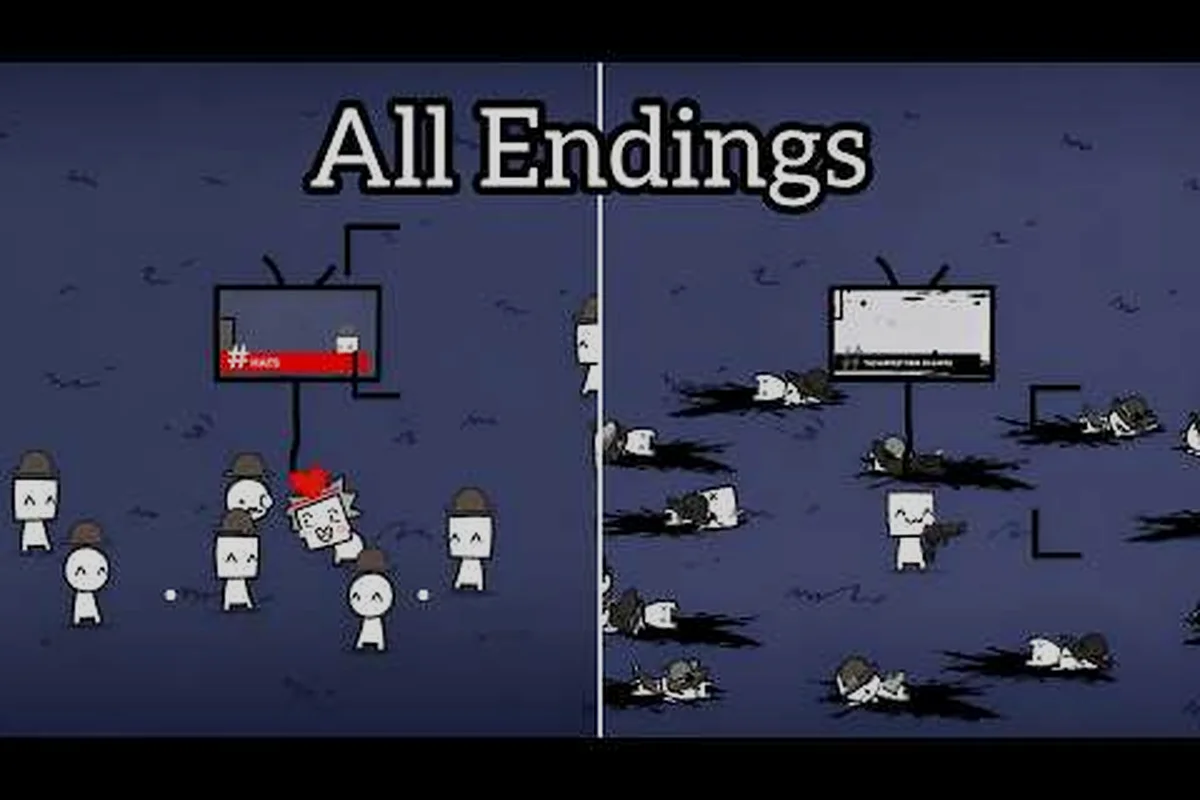
Say Cheese! Roblox Story Recap That Stops Before Spoilers
Get a Say Cheese Roblox story recap that covers the framing and stops before spoilers, written for players still deciding to start.